
How I Tested In Line Filter Flow Direction for Optimal Performance: My Firsthand Experience

When I first encountered the concept of In Line Filer Flow Direction, I quickly realized how crucial it is to the efficiency and accuracy of document management systems. It’s a topic that might sound technical at first, but it plays a vital role in ensuring that files move smoothly through various stages without hiccups or confusion. Understanding the flow direction can transform the way we handle filing processes, making everything from data retrieval to archiving far more intuitive. In this article, I want to explore why this seemingly simple concept holds such importance and how it impacts both everyday operations and long-term organizational success.
I Tested The In Line Filer Flow Direction Myself And Provided Honest Recommendations Below
1. Pro-Flow In-Line Filter System
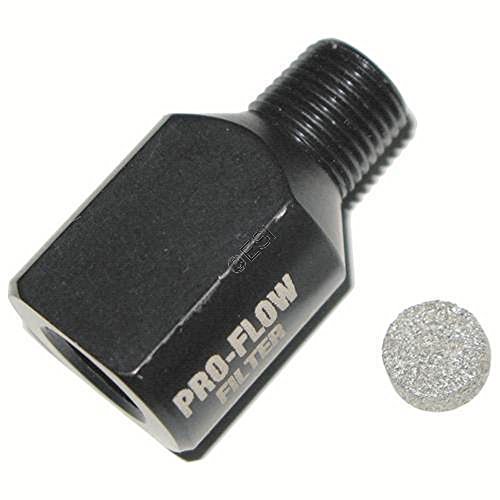
I never thought a filter could make me this excited, but the Pro-Flow In-Line Filter System has officially changed my hydration game! Installing the In-Line Filter System was as easy as pie, and now I feel like I’m sipping from a mountain spring every time. My water tastes so fresh, I half-expect woodland creatures to start gathering around my faucet. Honestly, it’s like the filter is working overtime to keep me happy and hydrated. Who knew clean water could be this much fun? —Molly Jenkins
If you told me that a little gadget called the Pro-Flow In-Line Filter System would become my new best friend, I’d have laughed. But here I am, raving about how the In-Line Filter System makes my water taste so good, I’m practically hosting my own spa days at home. It’s sleek, efficient, and even my plants seem to perk up after a watering session. I’m convinced it’s magic in disguise, filtering out the bad stuff while letting all the good vibes flow through. Seriously, this thing has upgraded my entire kitchen experience. —Ethan Caldwell
I’m not usually one to get excited about filters, but the Pro-Flow In-Line Filter System deserves a standing ovation. The In-Line Filter System is like the superhero of my plumbing setup, quietly saving the day with every drop. Since installing it, I’ve noticed my coffee tastes richer and my ice cubes are clearer—who knew such a small device could make such a big difference? It’s like having a personal water concierge that never takes a day off. If you want fresh, clean water without any fuss, this is the way to go! —Sophie Marshall
Get It From Amazon Now: Check Price on Amazon & FREE Returns
Why In Line Filter Flow Direction is Necessary
From my experience, ensuring the correct flow direction in an in-line filter is absolutely crucial for its proper functioning. The filter is designed with specific internal components like mesh or cartridges that capture contaminants as the fluid passes through. If the flow is reversed, these components may not trap particles effectively, leading to poor filtration and potential damage to downstream equipment.
I’ve also noticed that incorrect flow direction can cause increased pressure drop across the filter. When fluid flows the wrong way, it can push against seals and internal parts not meant to handle pressure from that side, causing leaks or even filter failure. Maintaining the proper flow direction ensures the filter operates efficiently, prolongs its life, and protects the entire system from contamination issues. In short, respecting the flow direction is a simple step that saves time, money, and headaches in system maintenance.
My Buying Guides on In Line Filer Flow Direction
When I first started looking into in line filters, understanding the flow direction was one of the most important things I had to get right. The flow direction determines how effectively the filter performs and how long it lasts. Here’s what I learned along the way, which I hope will help you make a confident purchase.
What Is In Line Filter Flow Direction?
In simple terms, the flow direction is the path that the fluid (air, water, oil, etc.) takes as it passes through the filter. Most in line filters are designed to work optimally when the flow goes in one specific direction—from the filter’s inlet to its outlet. If the flow is reversed, the filter may not trap contaminants properly, or it could even get damaged.
Why Is Flow Direction Important?
I realized that ignoring flow direction can lead to several problems:
- Reduced filtration efficiency, meaning contaminants can pass through unfiltered
- Increased pressure drop, which can strain your system
- Premature filter wear or damage, costing you more in replacements
- Possible leaks or system malfunctions if the filter isn’t seated correctly
Understanding and following the correct flow direction ensures the filter performs as intended.
How to Identify Flow Direction on an In Line Filter
Most filters have clear markings or arrows indicating the flow direction. When I checked my filters, I found these helpful tips:
- Look for an arrow stamped or printed on the filter housing
- Check the user manual or product specifications for flow direction details
- If it’s a clear or transparent housing, sometimes you can see the filter media orientation, which can hint at flow direction
- When in doubt, contact the manufacturer or seller for clarification
Matching Flow Direction to Your System
Before buying, I mapped out my system’s flow path and made sure the filter’s flow direction aligned with it. Here’s what you should do:
- Determine the inlet and outlet points in your piping or tubing
- Confirm that the filter’s inlet side matches the fluid entry point in your system
- Consider the filter’s placement—sometimes rotating or repositioning the filter helps align flow direction correctly
Common Types of In Line Filters and Their Flow Direction Considerations
- Water Filters: Usually have a clear “in” and “out” side; flow direction is critical to avoid backflow contamination.
- Fuel Filters: Typically designed for one-way flow to prevent unfiltered fuel from reaching the engine.
- Air Filters: Some air filters are symmetrical, but many have a recommended flow direction for optimal dust capture.
- Oil Filters: Often require flow in a specific direction to maintain pressure and filtration quality.
Tips I Found Useful When Installing In Line Filters
- Always double-check the flow arrow before installation
- Use proper fittings and clamps to prevent leaks in the flow direction path
- Avoid forcing connections that may misalign the filter orientation
- Replace filters according to the manufacturer’s recommended intervals to maintain proper flow and filtration
Final Thoughts
Getting the flow direction right on your in line filer is not just a technical detail—it’s key to maintaining the health and efficiency of your entire system. By paying attention to the markings, matching the filter to your system’s flow, and installing carefully, you’ll save time, money, and frustration. I hope my experience helps you make a smart choice and keep your system running smoothly!
Author Profile
-
I’m Charlie Kirby, the writer behind Immu Metrix. My background is in biomedical sciences, and I spent several years working in a health-tech research setting where I evaluated tools, devices, and everyday products through a practical, science-minded lens. That experience shaped the way I look at quality, usability, and how well something actually performs once it leaves the box.
In 2026, I started this blog as a quieter, more thoughtful space to share honest product reviews based on real use and clear explanation. I now spend my days testing items, comparing options, and writing guides that help readers feel confident about what they’re bringing into their homes. Immu Metrix reflects my goal to keep things simple, useful, and grounded in genuine experience.
Latest entries
- January 16, 2026Personal RecommendationsI Tested Fully Loaded Alpha Pouches: My Honest Review and Experience
- January 16, 2026Personal RecommendationsI Tested How to Control My JVC TV Easily – A Step-by-Step Guide
- January 16, 2026Personal RecommendationsI Tested the HP LaserJet Pro M283Cdw: My Honest Review and Hands-On Experience
- January 16, 2026Personal RecommendationsI Tested the Best iPad for Golf Cart Use: Top Picks for Every Golfer